




A useful wholesale ring order begins with a range plan, not a long list of unrelated product codes. Before choosing individual designs, decide what each part of the assortment is meant to contribute: a stone choice, a presentation style, a visual scale or a different construction.
This guide provides a practical planning method for retailers, importers and jewelry brands. It is a framework for preparing a quotation request, not a sales forecast for any market.
Start with four separate buying decisions
Ring assortments become difficult to compare when stone, setting, size and construction are treated as one decision. Separate them first.
| Decision | What to record | Where to browse |
|---|---|---|
| Stone | The exact stone names you want quoted, plus acceptable alternatives | Shop by Stone |
| Stone presentation | Whether you want to compare cabochon, cut-stone or multi-stone groups | Cabochon rings, cut-stone rings and multi-stone rings |
| Visual scale | Whether the range needs smaller proportions, larger statement pieces or both | Small rings and big rings |
| Construction | Whether a mechanically different group belongs in the range | Spinner rings |
These labels are useful navigation routes. They do not replace the specification of an individual product, and one label should not be used to infer another. For example, a stone name and the way a stone is presented are separate details.
Build a range matrix before selecting designs
Create a simple worksheet with one row for each proposed design. Use columns for model or reference, stone, presentation, scale, sizes, quantity and notes. This exposes gaps and unnecessary repetition before a quotation is prepared.
A practical matrix can give every row one of three jobs:
- Continuity: a design supported by your own sales records or repeat-buyer requests.
- Contrast: a design that introduces a visibly different stone presentation, scale or construction.
- Test: a controlled addition that you want to evaluate without treating an assumption as proven demand.
There is no universal split between these groups. A retailer with reliable sales data should use it. A new buyer can instead write down the assumptions behind each selection and ask for a quotation that keeps the test controlled.
Choose stones from evidence, not a trend claim
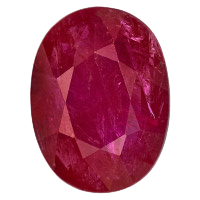
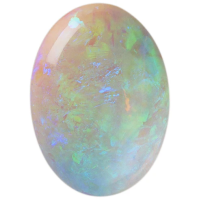
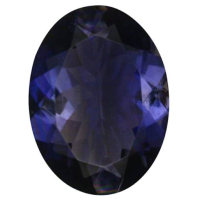
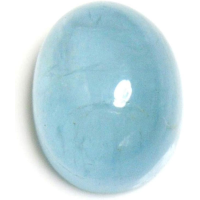
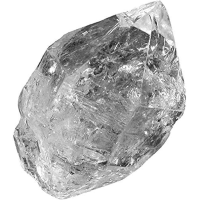
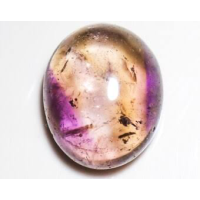
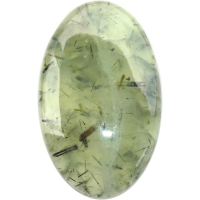
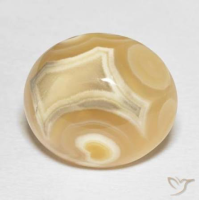
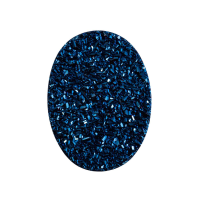
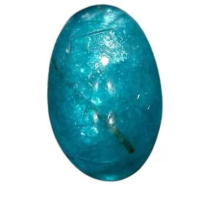
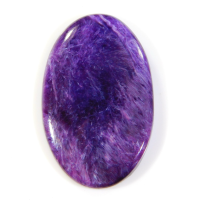
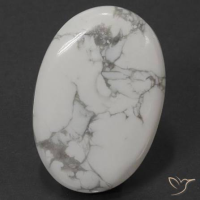
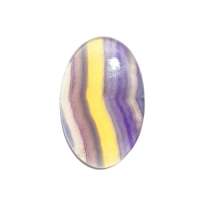
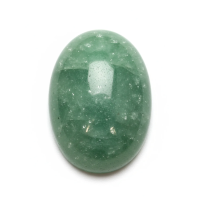
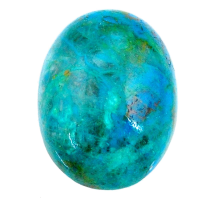
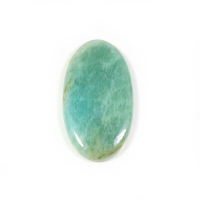
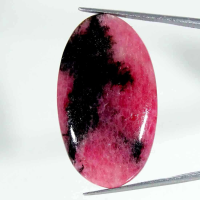
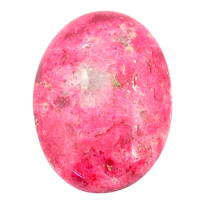
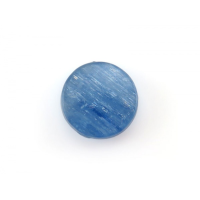
The current ring catalogue includes verified product attributes for stones such as amethyst, rainbow moonstone, labradorite, turquoise, black onyx and ruby, among others. That confirms catalogue presence; it does not establish that one stone is more popular or profitable than another.
When preparing your shortlist, record:
- the preferred stone name;
- whether an alternative is acceptable;
- whether the stone must stay consistent across the design;
- the quantity and size mix you want quoted; and
- any colour or appearance tolerance that needs confirmation.
Natural stones are the primary material; synthetic or lab-created stones can be sourced when a buyer requests them. Final material availability belongs in the quotation, so the request should name the category required rather than leaving it implicit.
Use presentation and scale to prevent accidental repetition
Two rings can use different stones and still occupy a similar place in a display if their overall proportions and presentation are alike. Conversely, the same stone can appear quite different across a small ring, a larger ring or a multi-stone design.
Review the complete wholesale sterling silver gemstone ring range in passes:
- shortlist by stone;
- remove near-repetitions in presentation;
- compare smaller and larger proportions;
- decide whether a separate construction such as a spinner ring belongs; and
- record the exact model references that survive the review.
This sequence makes the reason for each selection visible. It also gives the manufacturer a clearer brief than a screenshot folder with no quantities or variant notes.
Apply the minimum at design level
Rings start at 20 pieces per design, with sizes and stones mixable within that design subject to quotation. The 20-piece minimum is per design; quantities from unrelated designs should not be pooled to make one design appear to meet it.
An order can include multiple designs. Mixed sizes and stones may be possible within a design; the final mix is confirmed in the quotation. The minimum production order value is USD 700.
Plan the design list first, then assign a proposed quantity and variant mix to each design. If the mix is uncertain, mark it as a question rather than presenting it as settled. The detailed guide to ring sizes and stone mixes within a wholesale order explains this boundary further.
Prepare one range card for the quotation
Your final range card can be compact. For every proposed design, include:
- product model or your own drawing/reference;
- preferred stone and acceptable alternative, if any;
- required material category;
- proposed US ring sizes;
- quantity per size or the mix you want confirmed;
- finish or plating requirement, if applicable;
- target quantity for that design; and
- questions that must be settled before approval.
Keep product requirements separate from commercial assumptions. “Quote this design in these sizes” is a usable instruction. An unsupported sales prediction is not a production specification.
Review the assortment as a buyer, then as a manufacturer
The buyer-side review asks whether every design has a reason to be in the range and whether the assortment contains avoidable repetition. The manufacturer-side review asks whether each reference, stone, size mix and quantity is clear enough to quote.
Before sending the brief, check that:
- every row names a design or reference;
- every design has its own proposed quantity;
- stone requirements are explicit;
- size mixes are written rather than implied;
- alternatives are labelled as alternatives; and
- no unconfirmed option is described as guaranteed.
For commercial minimums, mold charges and timing, use the wholesale order guide. For the production sequence after the brief is accepted, see the custom silver jewelry order process.
The strongest assortment brief is not necessarily the longest. It is the one that shows exactly what should be quoted, what may vary and what still needs confirmation.
Leave a Comment