





Tarnish is a surface change that can develop when silver reacts with sulfur-containing gases in the air. It does not automatically mean that a piece is fake or badly made. For a retailer, however, even light discoloration can make clean stock look tired in a display case.
The practical answer is prevention: limit unnecessary exposure, keep stock clean and separated, and inspect it regularly. Cleaning comes later—and the safe method depends on the gemstone, surface finish, plating, and any treatment or adhesive used in the piece.
That distinction matters. Advice that is reasonable for an unmounted piece of sterling silver can damage pearl, opal, turquoise, a plated surface, or an unknown treatment. There is no single home recipe that is safe for every item in a gemstone jewelry catalog.
What causes sterling silver to tarnish?
Silver can darken when it reacts with sulfur-containing gases in its environment. Humidity can speed that reaction. Dust, fingerprints, cosmetics, rubber, some papers and textiles, and certain storage or display materials can also introduce moisture or compounds that make prevention harder.
This is different from rust. Tarnish forms on the surface of silver; it is not the same process as iron rusting. It is also different from a deep scratch, loose stone, worn plating, broken setting, or other physical damage. Those conditions should be assessed separately rather than described as ordinary tarnish.
A simple stock-care routine for retailers
1. Check stock when it arrives
Before pieces enter the display:
- compare the finish and stone with the product or order record;
- look for moisture, fingerprints, dust, or packaging residue;
- photograph any existing discoloration or physical issue before cleaning or handling it further;
- separate anything with an unidentified stone, finish, plating, or treatment until its care route is confirmed.
This prevents a storage problem from being confused later with a production or transit issue.
2. Store pieces separately
Do not tip multiple pieces into one tray or bag. Metal surfaces, stones, posts, chains, and settings can rub or catch on one another.
For plain sterling silver, or for a finished piece whose stones and surface permit it, an anti-tarnish bag or cloth can help limit exposure during storage. Use individual compartments or pouches so pieces do not scratch each other. Keep packaging clean, and replace any material that has become damp, dirty, or visibly degraded.
Do not treat “dry storage” as a universal instruction for every gemstone. Pearl and opal have material-specific care needs; an environment chosen only for the silver may not be suitable for the whole piece.
3. Keep display conditions clean and stable
Open displays expose stock to more air, dust, handling, and changes in humidity than closed storage. A retailer can reduce that exposure without hiding the product:
- wipe dust from trays and display surfaces before returning jewelry;
- avoid rubber, strongly scented materials, and unknown papers or fabrics next to silver stock;
- do not position jewelry where sprays, cosmetics, cleaning products, or moisture routinely reach it;
- return slower-moving pieces to individual storage instead of leaving them continuously exposed;
- record the date of each display check so recurring problems can be traced to a case, tray, or packaging material.
The goal is not to promise that tarnish will never occur. It is to reduce avoidable exposure and notice a change before a customer does.
4. Handle less, and handle deliberately
Fingerprints carry oils and residue. Staff should handle jewelry by the edges or less visible metal surfaces where practical, and use clean hands. A soft, clean cloth can remove light fingerprints, but do not rub a stone or decorative finish simply because the cloth is described as suitable for silver.
After a customer tries on a piece, inspect it before returning it to the display. If perfume, cosmetics, or moisture may have reached it, set it aside for the care method appropriate to that piece rather than applying a general cleaner at the counter.
The stone and finish decide the cleaning boundary
The safest retailer rule is simple: identify the complete piece before choosing a cleaning method. “925 sterling silver” describes the metal; it does not tell you how every stone, coating, finish, adhesive, or treatment will react.
| Product detail | Retailer boundary |
|---|---|
| Plain, unplated sterling silver with no stone | Follow a silver-specific method and use the least abrasive approach suitable for the condition. |
| Pearl | Keep away from acids, perfume and harsh chemicals. Do not use steam or ultrasonic cleaning. Avoid treating very dry storage as a universal benefit. |
| Turquoise | Avoid steam and ultrasonic cleaning. Heat, solvents, cosmetics and oils can affect some turquoise, especially treated material. |
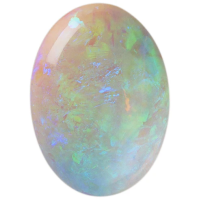
| Opal | Avoid high heat and sudden temperature changes. Use opal-specific guidance rather than a general silver-cleaning recipe. |
| Plated, oxidized, antiqued or deliberately darkened finish | Do not assume that polishing is harmless; it can change or remove the intended surface. Confirm the finish-specific method first. |
| Unknown stone, treatment, coating or adhesive | Do not experiment. Ask for product-specific guidance or use a qualified jewelry professional. |
This is why lemon juice, vinegar, baking soda, alcohol, boiling-water baths, silver dips, steam, and ultrasonic cleaners do not belong in a universal “five ways to clean gemstone jewelry” list. A method can appear to brighten the silver while damaging a porous stone, treated surface, plating, patina, adhesive, or fine detail.
What should you tell customers?
Keep the handover advice short and accurate. A retailer can say:
Store the piece separately in clean packaging. Keep it away from perfumes, cosmetics, household chemicals, and unnecessary moisture. Follow care guidance for its specific stone and finish; if either is unknown, ask before using a cleaner, polish, steam, or an ultrasonic machine.
If a customer asks how to keep sterling silver rings from tarnishing, do not answer only for the silver. First ask whether the ring is plain silver or includes a gemstone, plating, oxidized detail, or another finish. The correct care card should describe the whole ring.
Avoid promises such as “tarnish-proof,” “maintenance-free,” or “this method will restore every piece.” Storage and handling can reduce risk; they cannot guarantee that every item will remain unchanged in every environment.
A five-minute weekly stock check
Use the same sequence each week:
- Scan — look across trays for color or finish changes.
- Separate — remove affected or unidentified pieces from the display.
- Identify — check the metal, stone, finish, plating, and known treatment.
- Record — note the display, packaging, and date; photograph a recurring issue.
- Respond — use only the care route suitable for that complete piece.
A repeatable check is more useful than aggressive cleaning after a problem has spread across a tray. It also gives retailers better information: whether discoloration follows one display case, one packaging material, one humid location, or one product type.
The useful rule to remember
Prevent tarnish at the stock-management level, but choose cleaning at the product level.
Clean, separate storage and controlled handling are sensible starting points for sterling silver stock. The moment a piece includes a gemstone, special finish, plating, or unknown treatment, general silver advice stops being enough. Identify the whole piece first, then use the narrowest care method that fits it.
Browse Silver Jewelry Doctor's wholesale jewelry by stone to plan assortments by material, and keep each material's care boundary with the stock record.
Leave a Comment