

-200x200.jpg)


-200x200.jpg)


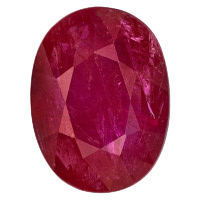


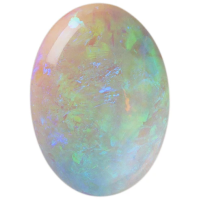
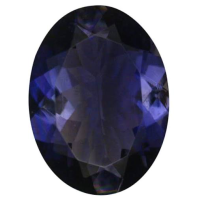
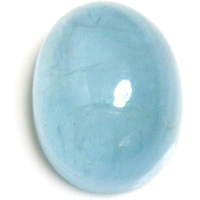
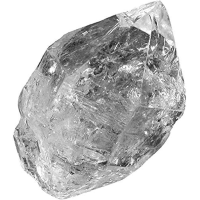
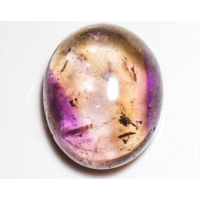
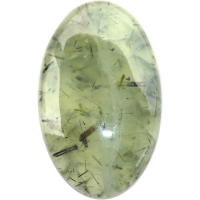
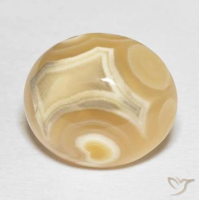
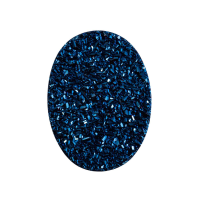
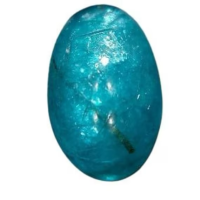
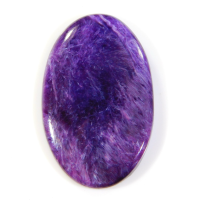
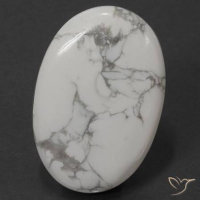
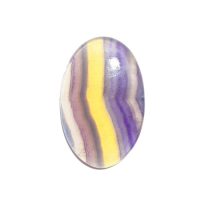
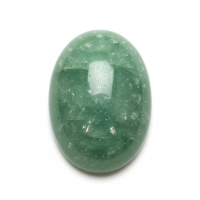
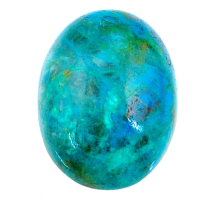
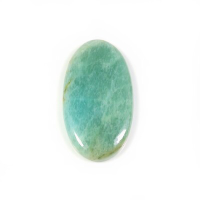
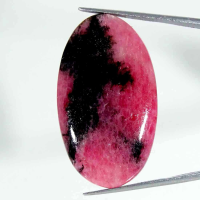
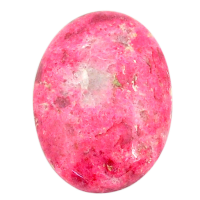
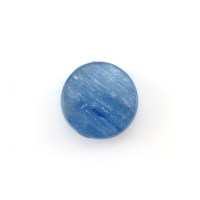
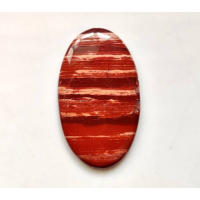
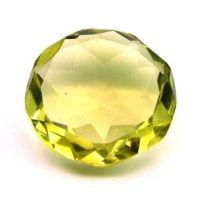
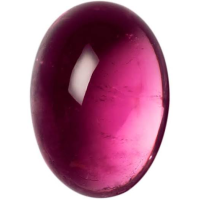
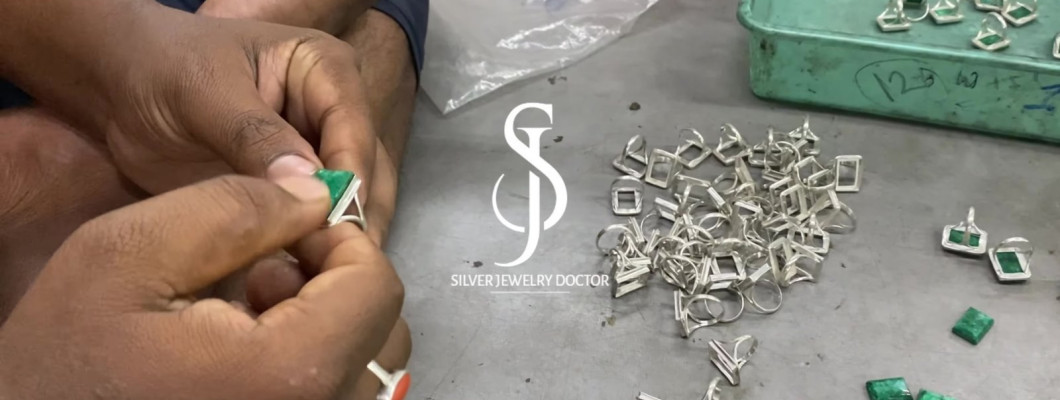
"Natural stones" appears on almost every silver jewellery supplier's page, and it is one of the least useful phrases in the trade — not because it is untrue, but because buyers and suppliers routinely mean different things by it.
For a wholesale order, the distinction is not academic. It changes what you can tell your own customers, what you can put on a label, and what you should expect a supplier to confirm in writing. This guide separates the three material categories you will actually be quoted on, and gives you the specific wording to use when you request a quotation.
It does not tell you which stone to buy. That depends on your assortment, and it belongs on the Shop by Stone pathway.
The three categories, in commercial terms
| Category | What it is | What it commits the supplier to |
|---|---|---|
| Natural | Formed geologically, mined, then cut and polished | The material was not grown in a laboratory. It says nothing on its own about treatment, clarity or origin |
| Synthetic / lab-created | The same chemical and physical composition as its natural counterpart, produced in controlled conditions | The material is man-made and should be described that way to your customers |
| Simulant / imitation | A different material that resembles the look of another stone | It is neither the natural stone nor a lab-grown version of it. Glass and cubic zirconia are the common examples |
The trap is that "synthetic" and "simulant" get used interchangeably in casual conversation. They are not the same thing, and the difference matters if you are labelling stock for resale.
At Silver Jewelry Doctor, natural stones are the primary material; synthetic or lab-created stones can be sourced when a buyer requests them. Which specific stones are available for a given order is confirmed in the quotation, not on a category page — availability moves.
Why the distinction reaches your customer
Three practical consequences, in the order they usually bite:
Labelling. Whatever you tell your own customers about a piece has to match what you actually ordered. Name the material category explicitly in your quotation request, and carry the same wording into your retail description — getting it right at the order stage is far easier than correcting it after stock has landed.
Consistency across a repeat order. Natural material varies. Two batches of the same natural stone, cut to the same specification, can differ visibly in tone and inclusion pattern. That is normal, not a defect. Lab-created material is generally more uniform batch to batch. If your merchandising depends on a shelf of near-identical pieces, that is a specification decision to make before production, not a complaint to raise after.
Price behaviour. The two categories do not move together. Deciding early avoids a re-quote when the assortment is already agreed.
Treatment is a separate question — and the one buyers forget
A stone can be entirely natural and still have been treated. Heating, oiling, waxing, dyeing and irradiation are long-established practices for particular materials, and some are so routine that untreated examples are the exception.
"Natural" and "untreated" are therefore not synonyms, and a supplier confirming the first has not answered the second. If treatment status matters to your customers, ask about it as its own question. Do not assume it is covered by the word "natural".
What to put in your quotation request
Vague requests produce vague quotations. These three lines are usually enough:
- The material category, named explicitly — "natural", or "lab-created", per design. Not "good quality stones".
- Your tolerance for variation — whether you accept normal natural variation across the run, or need the closest match achievable. This is the single most useful sentence you can add.
- Whether treatment status needs to be confirmed — and if so, for which designs.
You can request different material categories for different designs in the same order. An order can include multiple designs, and mixed stones may be possible within a design; the final mix is confirmed in the quotation. Per-design minimums still apply to each design in the order — they cannot be pooled across designs.
Once those details are in, quotations are normally prepared within 24–72 hours after the required design and order details are received. Incomplete briefs take longer, which is the practical argument for specifying the material category up front rather than after the first reply.
For the minimums and the deposit that apply to a production order, see our guide to silver jewelry MOQ, mold charge and production timeline — this article deliberately does not restate those figures.
A short checklist before you send
- Material category named per design — natural, or lab-created
- Variation tolerance stated in one sentence
- Treatment status flagged where it matters to your customers
- Any design where you want a closest-match set rather than natural variation, identified
- The wording you intend to use in your own retail description, noted alongside the order
Where this fits
Custom 925 sterling silver jewelry is developed through Silver Jewelry Doctor's Jaipur production operation, and stone specification is settled during quotation — before production begins, not during it.
If you are choosing a stone pathway first, start at Shop by Stone. If you already know what you want made, take the specification straight to the Custom Silver Jewelry Order Process.
Leave a Comment