

-200x200.jpg)


-200x200.jpg)




Most quality disputes in wholesale jewellery are not really about quality. They are about expectations that were never written down — a finish someone assumed, a tolerance nobody stated, a variation one side considers normal and the other considers a fault.
This is a buyer-side checklist. It covers what to agree before production, what to inspect when the cartons arrive, and how to raise an issue if you find one. It does not describe how production is run — that is covered in custom silver jewelry manufacturing in Jaipur.
Part 1 — Before production: agree the things that cause disputes
The cheapest quality control happens at the quotation stage. Four items are worth stating explicitly, because they are the ones most often left implicit:
Finish. "Polished" covers a wide range. High polish, matte, brushed, oxidised and antiqued all photograph differently and sell to different customers. Name the one you want per design.
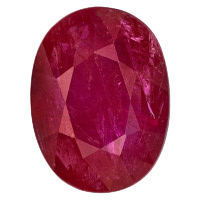
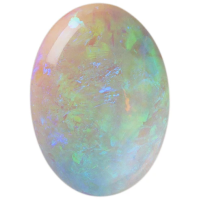
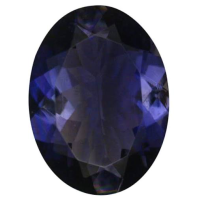
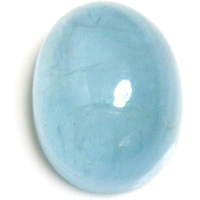
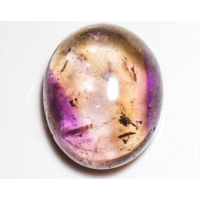
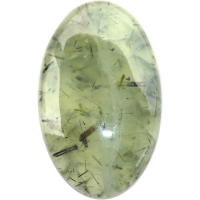
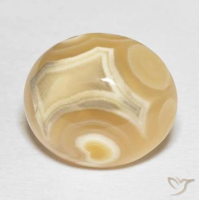
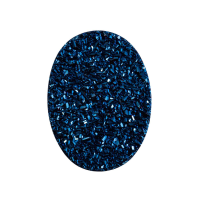
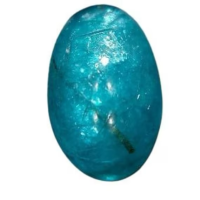
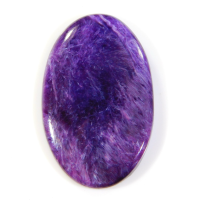
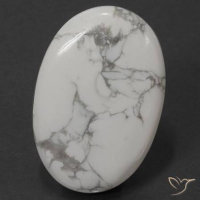
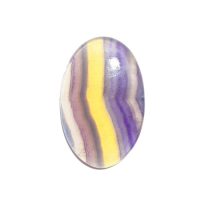
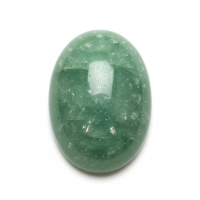
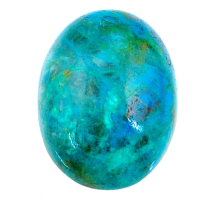
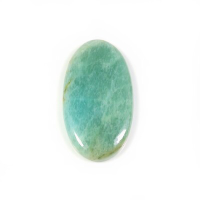
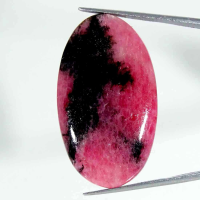
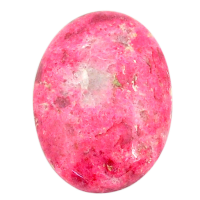
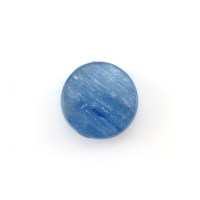
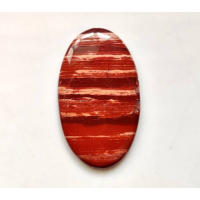
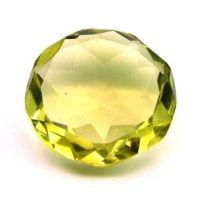
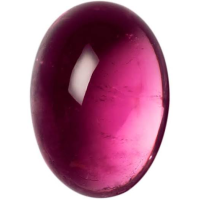
Stone variation tolerance. Natural material varies in tone and inclusion pattern. Decide whether you accept that variation across the run or need the closest match achievable, and say which.
Weight range. Handmade silver pieces vary slightly in weight. If your pricing or your customer promise depends on a weight, agree the acceptable range rather than a single number.
Where a stamp should appear. Placement can matter for a design where the usual location is visible or uncomfortable.
Get these into the quotation. Anything agreed there is a specification; anything agreed in a chat message afterwards is a memory.
Quotations are normally prepared within 24–72 hours after the required design and order details are received — so adding these lines up front costs you nothing in time and removes the most common source of argument later.
Part 2 — On arrival: the inspection pass
Do this before stock is broken into retail packaging, and do it against your approved sample or approved photographs — not against a general impression of what you expected.
### Count and identity
- Piece count per design matches the quantity in your quotation
- Each design matches the approved sample or approved photographs
- Sizes and stone allocations match what was confirmed, where you specified a mix
### Metal and stamp
- The 925 stamp is present where your specification says it should be, and legible
- Stamp placement is consistent within a design
- No unintended tool marks, deep scratches or dents on visible surfaces
### Stone setting
- Settings show no visible looseness or movement when the piece is turned and viewed under good light — inspect visually; do not press, prise or otherwise force the stone
- Settings sit level; bezels are closed evenly around the stone
- Prongs, where used, are fully formed and not snagging on cloth
- Stone tone and inclusion pattern fall within the variation you agreed
### Finish and function
- Finish matches the specified type across the run, not just on the top pieces in the carton
- Clasps, hooks, hinges and catches open and close cleanly
- Earring posts are straight and butterfly backs fit
- Chains are untwisted and solder joins are smooth
### Sampling depth Inspecting three pieces off the top of a carton is not an inspection. Take pieces from more than one carton and from more than one depth. If you find an issue in that sample, widen the check before you report it — knowing whether something affects two pieces or two hundred changes the conversation entirely.
Part 3 — Record what you find, properly
A clear report resolves faster than a general complaint. For anything you intend to raise:
- photograph the piece in even, natural light, with the issue actually in focus;
- include one photograph showing the whole piece for context;
- state the design reference and how many pieces are affected, out of how many inspected;
- note whether you inspected a sample or the whole run;
- keep the affected pieces as received — do not polish, repair or rework them before reporting.
That last point matters more than it sounds. A piece that has been worked on locally can no longer be assessed against how it left production.
Part 4 — If you find a verified issue
Custom 925 sterling silver jewelry is developed through Silver Jewelry Doctor's Jaipur production operation. Jaipur handles the production sequence from casting and filing through stone setting, polishing, 925 stamping and final quality control. Which of those steps a given design requires depends on the design itself — not every step applies to every design — and a checklist like this one exists precisely because inspection on your side is still worthwhile.
If a verified production issue occurs, the appropriate remedy — remake, replacement or refund — is assessed case by case. There is no automatic outcome, and any supplier promising one before seeing the pieces is describing a policy rather than an assessment. What speeds the assessment is the evidence in Part 3: clear photographs, an accurate affected count, and pieces kept as received.
A note on what is not a defect
Some findings are normal characteristics rather than faults, and treating them as faults slows down the ones that matter:
- tone and inclusion variation in natural stones across a run;
- minor weight variation between handmade pieces of the same design;
- minor handling marks acquired in transit — assess these against the finish you agreed before treating them as a defect;
- slight differences from a photograph caused by lighting rather than the piece.
If any of these would genuinely be unacceptable for your customers, that belongs in Part 1 as a specification — not in Part 4 as a complaint.
Where this fits
Specifications are agreed during quotation, which is where this checklist starts paying for itself. Take yours to the Custom Silver Jewelry Order Process.
For the minimums, mold-charge condition and deposit that apply to a production order, see silver jewelry MOQ, mold charge and production timeline.
Leave a Comment